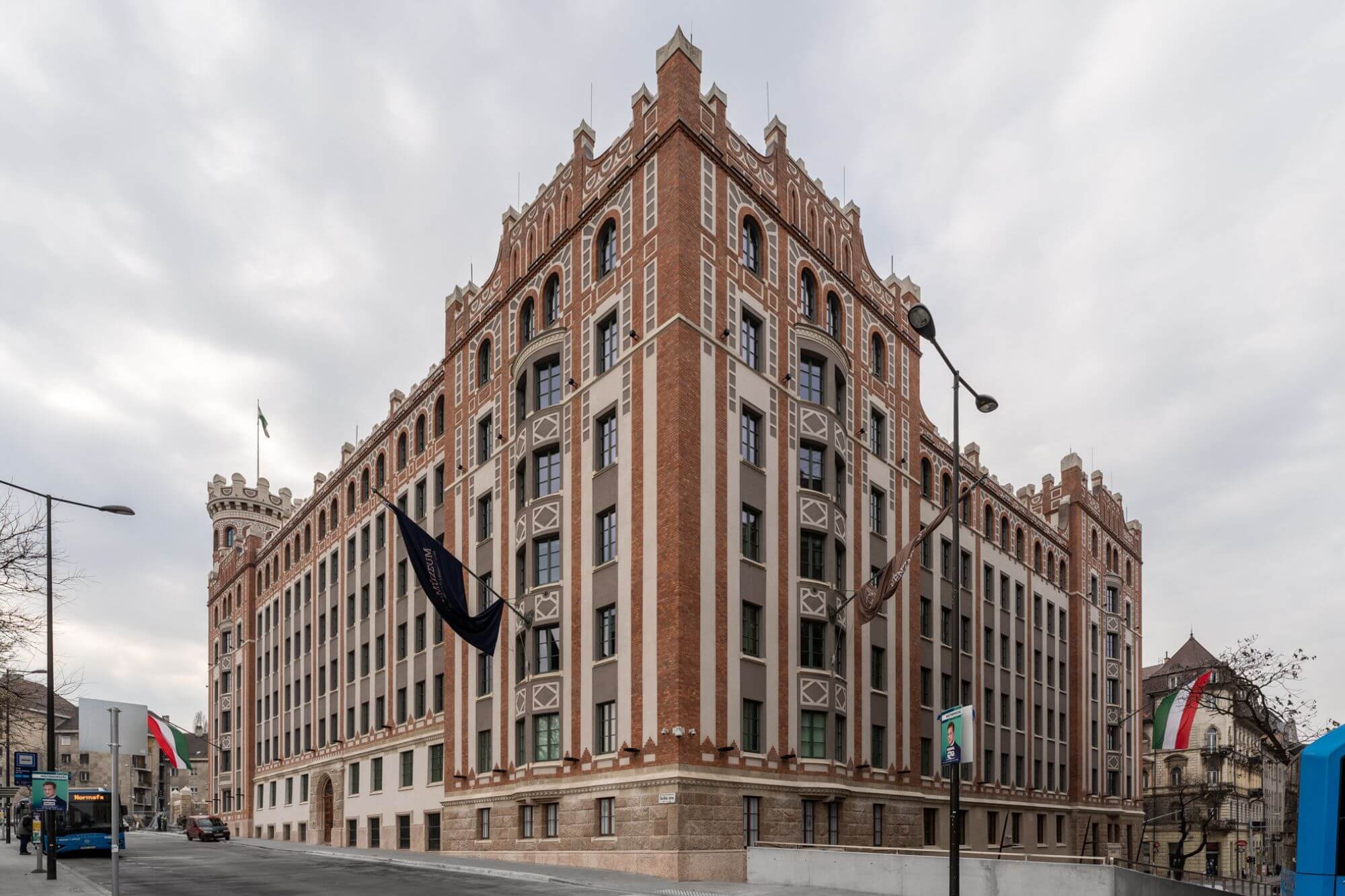
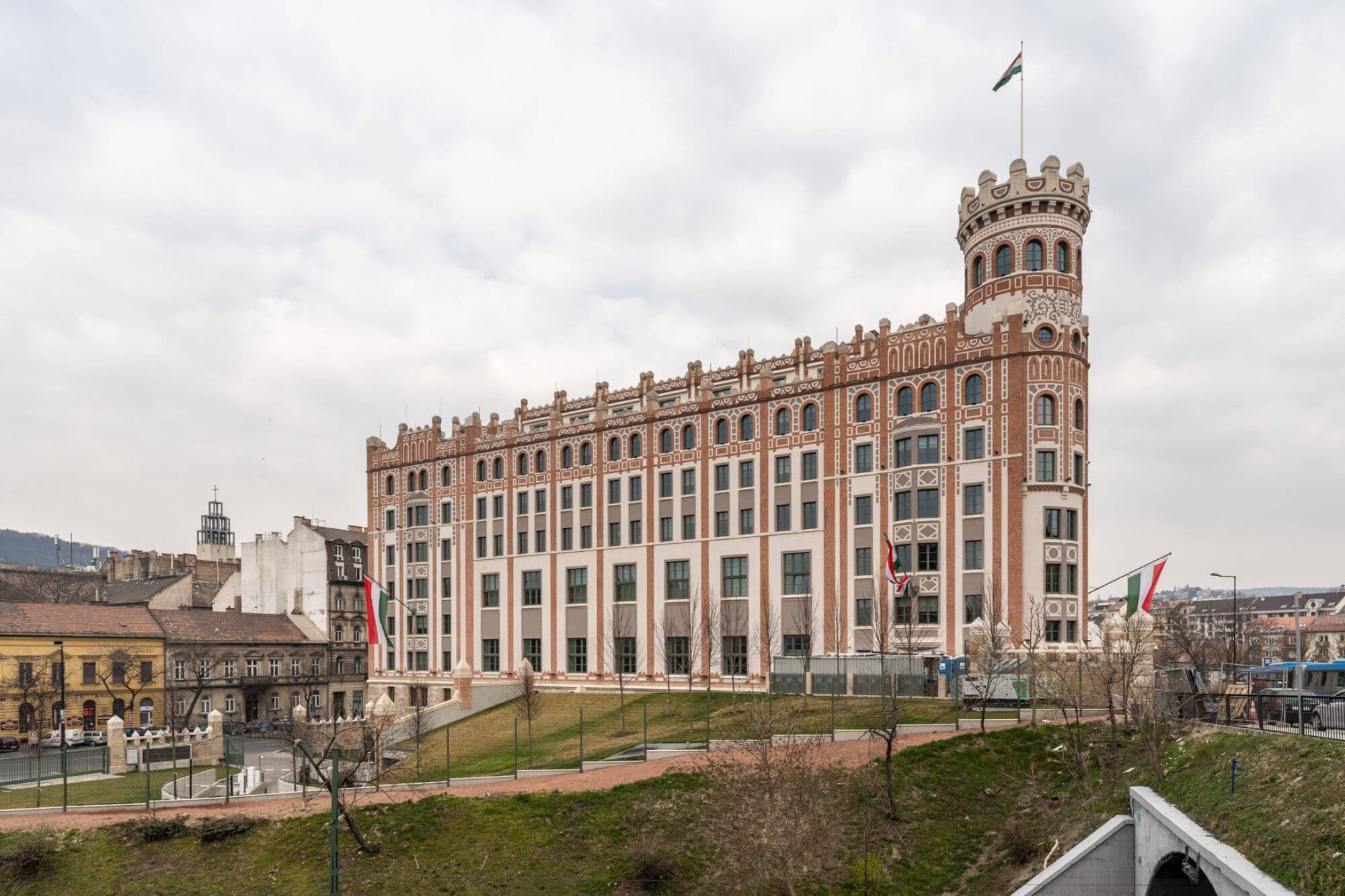
The iconic building of Széll Kálmán Square, the former Post Palace, has been brought back to life under the general contracting of Market Építő Zrt. Completed in 1926 and designed by Gyula Sándy, the building was Hungary’s first office building and originally housed the headquarters of the Hungarian Royal Post Office. Developed by MNB-Ingatlan Kft., the nearly 25,000-square-metre reconstruction project restored one of Hungary’s most significant Art Nouveau landmarks, preserving its original character while equipping it with modern, twenty-first-century functions.
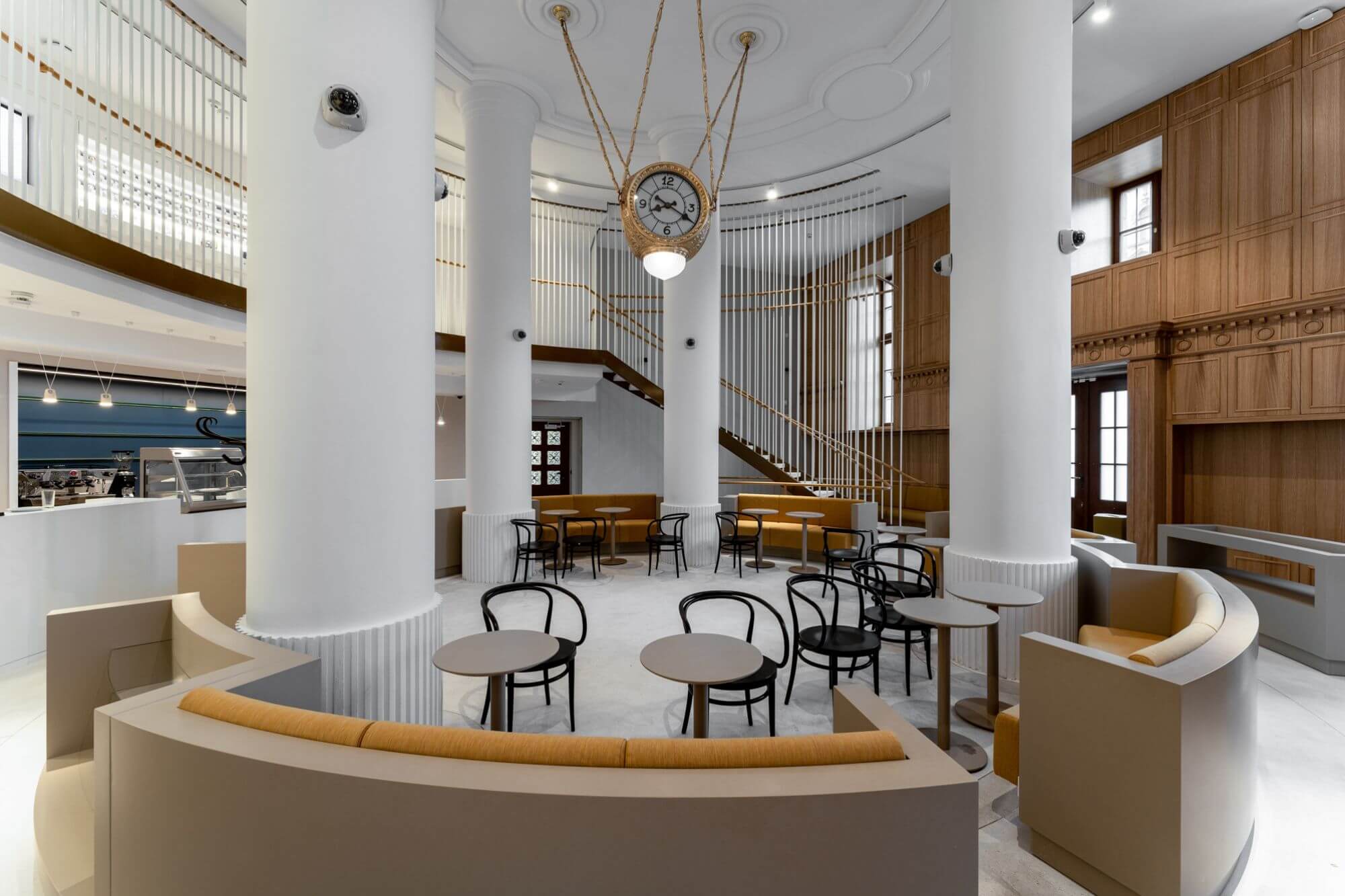
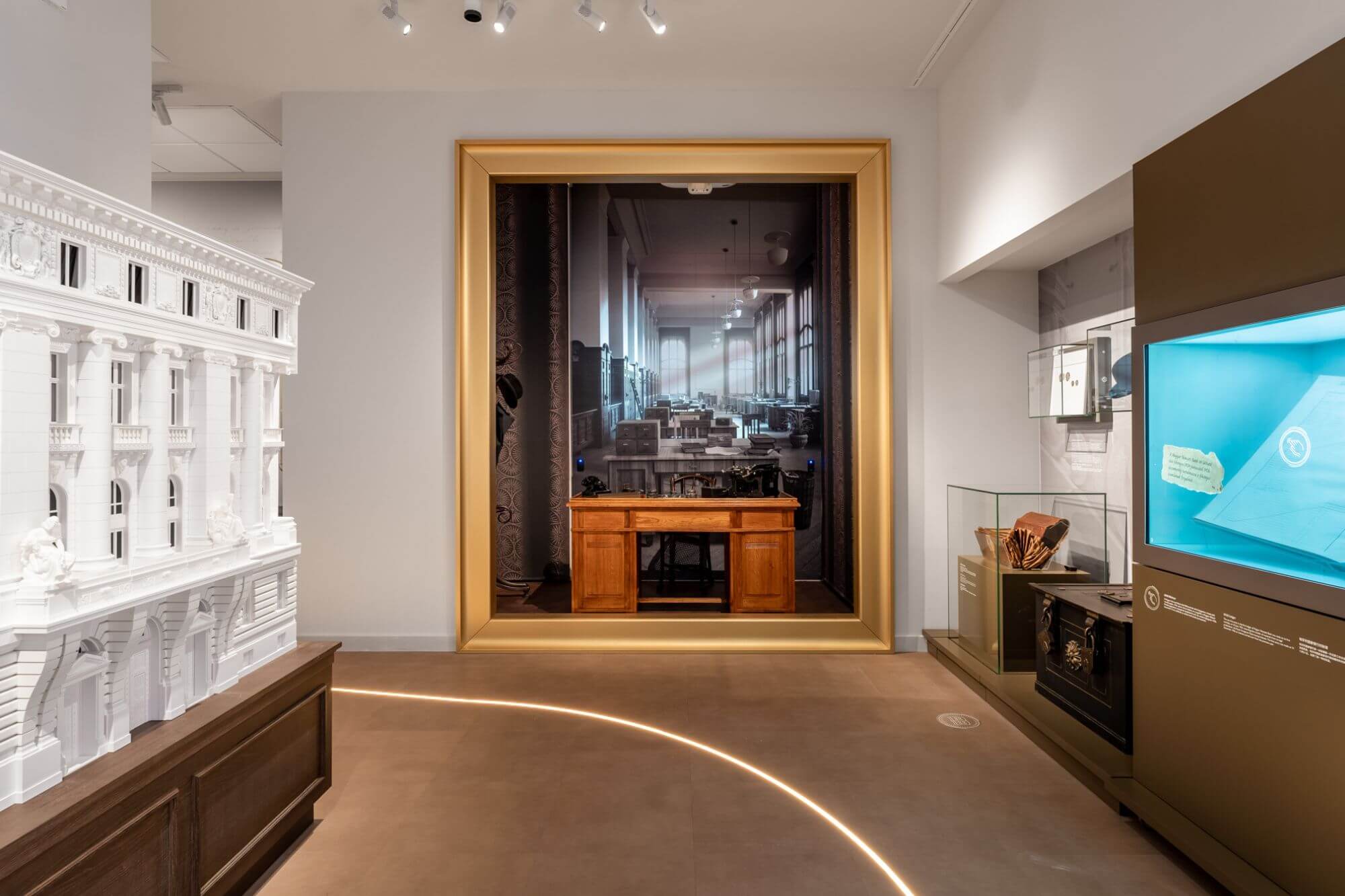
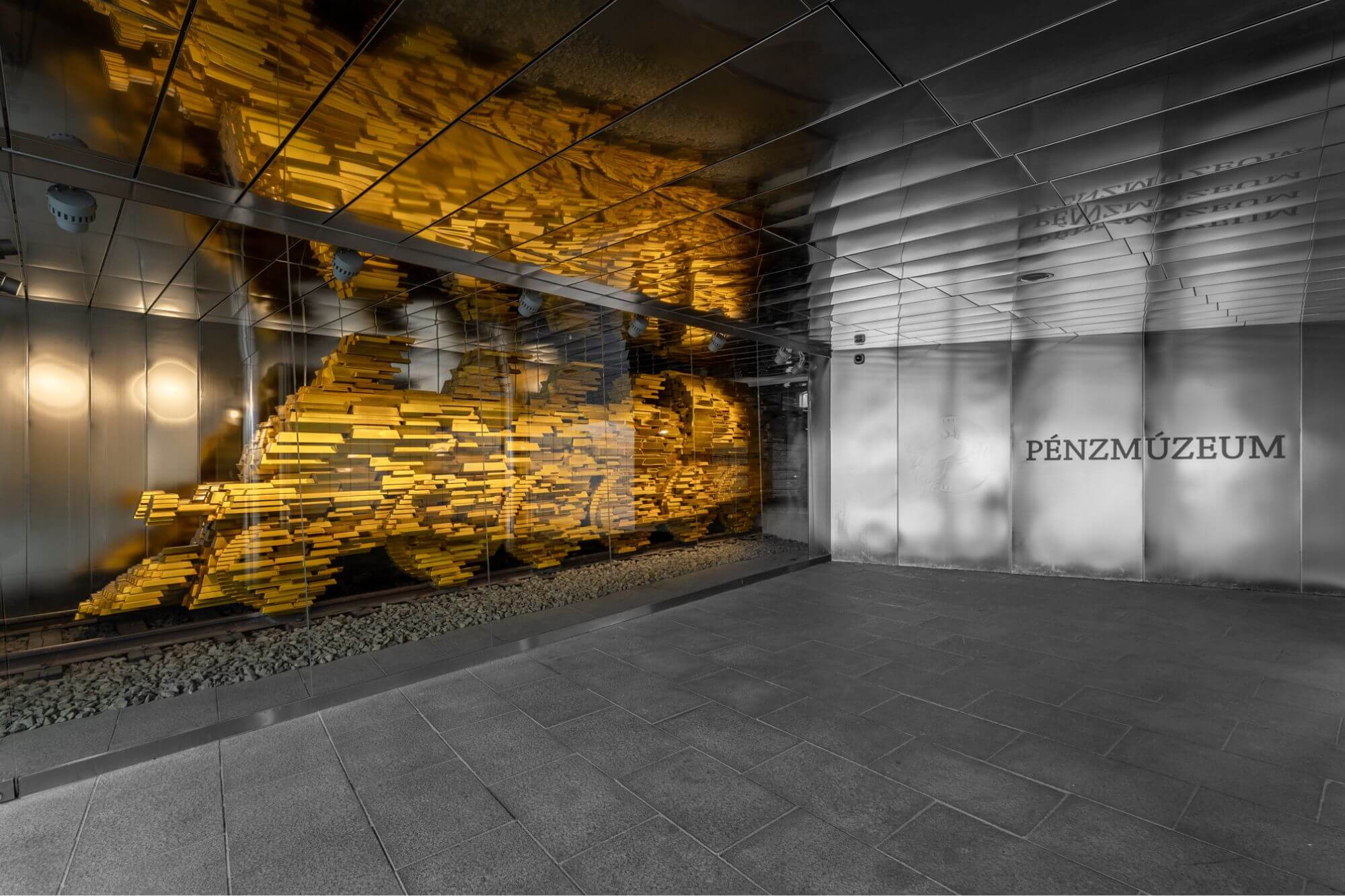
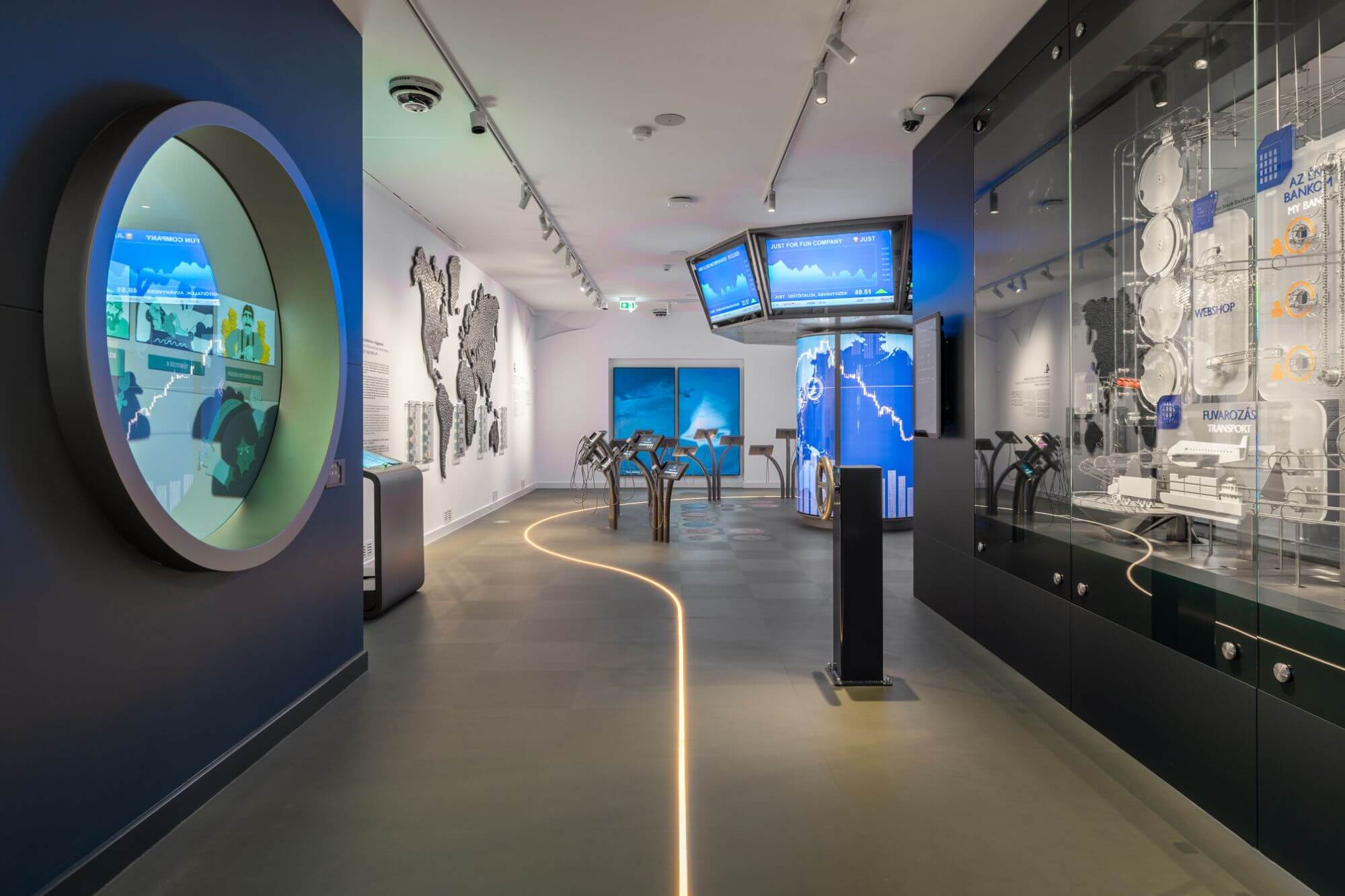
The project was intended to provide a worthy home for the Supervisory Centre of the Magyar Nemzeti Bank (Hungarian National Bank) and the Hungarian Money Museum and Visitor Centre, which has become the national centre for financial education and experience-based learning.
The design process, carried out between 2013 and 2018, was led by MD Stúdió Architectural Office, which focused on preserving the building’s historic values while harmonising them with contemporary functional requirements. Our company took over the work site in spring 2020, completing complex renovation, interior design, restoration, and mechanical and electrical modernisation works. In preserving the heritage value of the nearly century-old building, we integrated modern technological systems designed to blend seamlessly with the original architecture. The design process, carried out between 2013 and 2018, was led by MD Stúdió Architectural Office, which focused on preserving the building’s historic values while harmonising them with contemporary functional requirements. Our company took over the site in spring 2020, completing complex renovation, interior design, restoration, and mechanical and electrical modernisation works. In preserving the heritage value of the nearly century-old building, we integrated modern technological systems designed to blend seamlessly with the original architecture.